Category
- ALL
- Screws
- Timer/ Deck screw
- Reduce Point Self-drilling Screws
- Hex Head Self-drilling Screws(Tek Screws)
- Countersunk/Flat/Pan head Self-drilling Screw
- Milling Point Self-drilling Screws
- Concrete Screws
- Zn-Al Capped Self-drilling Screws
- Stainless(ss 304) Capped Self-drilling Screws
- Wood/Chipboard Screw
- No5 Point Self-drilling Screws
- Type 17 Screws
- Head Painted Roofing Screws
- Drywall Screws
- Bolts and STUD
- Nuts
- Stamping
- CNC Turning


Reduce Point Self-drilling Screws
- Thin to medium metal sheet assembly
- Thin metal to timber fastening
-
Reduced Point Self-Drilling Screws for Sheet Metal and Metal-to-Timber Applications
Reduced Point Self-Drilling Screws, also known as Stitch Screws, are designed for fastening thin to medium sheet metal and thin metal to timber. The reduced drilling point is smaller than the screw thread core diameter, helping provide a tight steel-to-steel connection while supporting stable penetration during installation.
SANN MUO Reduced Point Self-Drilling Screws are available in stainless steel, carbon steel, and alloy steel, with #1–#2 drilling point options and customized coating requirements. Products can also be manufactured according to customer drawings and samples.
Product Naming Note: Reduced Point Self-Drilling Screws are also commonly referred to as Stitch Screws in the fastening industry. Both terms can be used to describe this type of self-drilling screw for sheet metal applications.
Reduced Point Self-Drilling Screws for Thin and Medium Sheet Metal
Reduced Point Self-Drilling Screws feature a drilling point that is smaller than the core diameter of the screw thread.
This reduced-point design is intended for thin and medium sheet metal applications. The smaller drilling point helps create a tight connection between the screw and steel material, making these screws suitable for steel-to-steel fastening and thin metal-to-timber applications.
The product is also commonly known as a Stitch Screw, particularly in applications involving the fastening of sheet metal components together.
Reduced Point Self-Drilling Screw Specifications
Specification Available Options Product Type Reduced Point Self-Drilling Screw / Stitch Screw Main Application Thin to Medium Sheet Metal Assembly Secondary Application Thin Metal-to-Timber Fastening Drilling Point #1 – #2 Material Stainless Steel 304 / 316 / 410; Carbon Steel 1022 / 1018; Alloy Steel 10B21 / 10B33 Gauge #8 – #14 Metric Size M4 – M6.3 Length 1/2" – 10" Metric Length 12 – 250 mm Coating C1 – C4 or Customized Coating Washer Options EPDM / Steel Bonded Washer Standards DIN, IFI, ISO, ASTM, ASME Custom Manufacturing Available according to customer drawings and samples Key Features of Reduced Point Self-Drilling Screws
Reduced Drilling Point for Thin Sheet Metal
The drilling point is designed to be smaller than the core diameter of the screw thread.
This reduced-point configuration is intended for thin and medium sheet metal applications and helps achieve a tight steel-to-steel connection.
For applications where sheet metal components need to be joined directly, the reduced drilling point provides a specialized alternative to conventional self-drilling screw designs.
Also Known as Stitch Screws
Reduced Point Self-Drilling Screws are also commonly called Stitch Screws.
The term Stitch Screw is frequently associated with fastening sheet metal components together, particularly in applications involving thin metal sheets, panels, and metal assemblies.
Therefore, buyers searching for Stitch Screws, Reduced Point Self-Drilling Screws, or Self-Drilling Sheet Metal Screws may be looking for the same product category.
Nick Point for Improved Drilling Efficiency
The screw incorporates a Nick Point, a small indentation positioned slightly to the side of the screw tip.
According to SANN MUO's product information, testing and feedback from construction workers indicate that the Nick Point can help shorten drilling time and improve drilling efficiency.
Stable and Slip-Resistant Penetration
The self-drilling point is designed to improve penetration stability and reduce slipping during installation.
SANN MUO also states that a single self-drilling screw can be redrilled up to five times without affecting its performance.
Asymmetric Thread for Improved Pull-Out Resistance
The asymmetric thread design uses different thread pitches and angles in the upper and lower sections.
This design helps provide pull-out resistance and allows the screw to firmly clamp gaps between metal plates.
Straight Knurl for Metal Chip Removal
The straight knurl helps expel metal filings and enlarge the hole during drilling.
It is also designed to help prevent excessive stretching of the screw rod diameter and reduce the risk of corrosion.
Common Applications for Reduced Point Self-Drilling Screws
Reduced Point Self-Drilling Screws / Stitch Screws are suitable for:
- Thin sheet metal assembly
- Medium sheet metal assembly
- Steel-to-steel fastening
- Thin metal-to-timber fastening
- Steel truss assembly
- Metal siding
- Roofing and wall panels
- Thin metal panels
- Steel frames
- Fiber laminate panels
These applications make the product suitable for construction, roofing, metal panel assembly, building materials, and other applications involving thin metal components.
Reduced Point Self-Drilling Screws for Steel-to-Steel Fastening
The reduced drilling point is particularly suited to thin and medium sheet metal where controlled penetration and a tight connection are important.
The smaller drilling point relative to the screw thread core helps the screw establish a close connection with steel material.
For manufacturers, contractors, distributors, and overseas buyers sourcing self-drilling sheet metal screws, the drilling point geometry is an important specification when selecting a suitable product.
Stitch Screws for Sheet Metal Applications
Stitch Screws are commonly used to fasten overlapping sheet metal components together.
The term is particularly relevant to applications where thin metal sheets, panels, or metal components need to be joined without using a separate pre-drilled hole.
SANN MUO Reduced Point Self-Drilling Screws can be supplied for customers looking for Stitch Screws with specific material, size, drilling point, coating, and washer requirements.
When sourcing Stitch Screws, buyers should consider:
- Metal thickness
- Screw diameter
- Screw length
- Drilling point
- Material
- Coating
- Washer requirements
- Required corrosion resistance
- Application environment
Reduced Point Self-Drilling Screws for Metal-to-Timber Fastening
Reduced Point Self-Drilling Screws can also be used for thin metal-to-timber fastening.
This makes the product relevant to applications where a metal component, sheet, or panel needs to be secured to a timber substrate.
For these applications, screw length, material, drilling point, coating, and the thickness of the metal and timber components should be considered when selecting the appropriate screw specification.
Why Choose a Reduced Point Self-Drilling Screw?
The main advantage of a Reduced Point Self-Drilling Screw is its specialized drilling point for thin and medium sheet metal.
Compared with a conventional self-drilling screw, the reduced point is designed to work with the screw's thread geometry to create a tight steel-to-steel connection.
For buyers working with thin sheet metal, steel trusses, metal siding, or thin metal-to-timber assemblies, selecting the appropriate drilling point can improve installation performance and fastening consistency.
Coating and Washer Options
Reduced Point Self-Drilling Screws can be supplied with different coating and washer configurations according to the application.
Coating Options
SANN MUO can provide coating specifications from C1 to C4, as well as customized coating requirements.
Coating selection can be considered according to:
- Indoor or outdoor application
- Moisture exposure
- Corrosion requirements
- Installation environment
- Customer specifications
EPDM and Steel Bonded Washer Options
SANN MUO can match self-drilling screws with different EPDM washers or steel bonded washers.
These options can be considered for applications where sealing or additional washer support is required, including roofing, wall panels, and exterior sheet-metal assemblies.
The screw head can also be painted to match the color of a roof or wall when required.
Custom Reduced Point Self-Drilling Screw Manufacturing
SANN MUO can manufacture Reduced Point Self-Drilling Screws according to customer requirements.
Customization can include:
- Customer drawings
- Customer samples
- Screw dimensions
- Material
- Drilling point
- Thread specification
- Coating
- EPDM washer
- Steel bonded washer
- Painted screw head
- Application requirements
Products can be manufactured according to DIN, IFI, ISO, ASTM, ASME, or customer drawings and samples.
For buyers with an existing Stitch Screw specification, drawing, or sample, SANN MUO can evaluate the requirements and develop a suitable product according to the intended application.
Why Source Reduced Point Self-Drilling Screws Directly from SANN MUO?
For fastener distributors, roofing suppliers, construction-material suppliers, metal siding manufacturers, and overseas buyers, direct sourcing from a screw manufacturer can provide an alternative to purchasing through local distributors or stockists.
SANN MUO can support customers looking for:
- Direct overseas self-drilling screw sourcing
- Stitch Screw supply
- Second-source supplier options
- Alternative suppliers for existing self-drilling screws
- Customized drilling point specifications
- Customized coatings
- EPDM and bonded washer combinations
- Bulk purchasing
- Wholesale supply
- Long-term supply arrangements
For companies currently purchasing self-drilling screws through local distributors, adding a direct manufacturer as a second supplier can help diversify the supply chain and reduce dependence on a single source.
B2B Wholesale and Bulk Supply of Stitch Screws
SANN MUO provides Reduced Point Self-Drilling Screws / Stitch Screws for B2B customers requiring consistent specifications and ongoing supply.
Potential customers include:
- Fastener distributors
- Hardware wholesalers
- Roofing suppliers
- Metal siding suppliers
- Construction material suppliers
- Steel structure suppliers
- Building material manufacturers
- Industrial buyers
- Overseas importers
Customers can provide required dimensions, material, drilling point, coating, washer requirements, drawings, or samples for product evaluation and quotation.
Frequently Asked Questions About Reduced Point Self-Drilling Screws
Q. What is a Reduced Point Self-Drilling Screw?
A Reduced Point Self-Drilling Screw is a self-drilling screw with a drilling point smaller than the core diameter of the screw thread. It is designed primarily for thin and medium sheet metal fastening.
Q. Are Reduced Point Self-Drilling Screws also called Stitch Screws?
Yes. Reduced Point Self-Drilling Screws are also commonly referred to as Stitch Screws.
The term Stitch Screw is commonly used for self-drilling screws designed to fasten sheet metal components together.
Q. What are Stitch Screws used for?
Stitch Screws are commonly used to fasten thin sheet metal, metal panels, and overlapping metal components.
They can also be used in selected metal-to-timber applications.
Q. What are Reduced Point Self-Drilling Screws used for?
They are used for thin and medium sheet metal assembly, steel-to-steel fastening, and thin metal-to-timber fastening.
Common applications include steel trusses, metal siding, roofing, wall panels, and thin metal assemblies.
Q. What drilling point sizes are available?
The current product specification includes #1 and #2 drilling points.
Q. What is the advantage of a reduced drilling point?
The reduced drilling point is designed for thin and medium sheet metal and helps create a tight connection between steel components.
Q. What is a Nick Point on a self-drilling screw?
A Nick Point is a small indentation positioned slightly to the side of the screw tip. SANN MUO developed this feature to improve drilling efficiency and shorten drilling time.
Q. What is an asymmetric thread?
An asymmetric thread uses different thread angles or pitches in different sections of the screw.
On SANN MUO Reduced Point Self-Drilling Screws, this design is intended to improve pull-out resistance and help clamp gaps between metal plates.
Q. What is the purpose of the straight knurl?
The straight knurl helps remove metal filings and enlarge the drilled hole during installation.
It is also designed to help prevent excessive stretching of the screw rod diameter.
Q. What materials are available?
Available materials include:
- Stainless Steel 304
- Stainless Steel 316
- Stainless Steel 410
- Carbon Steel 1022
- Carbon Steel 1018
- Alloy Steel 10B21
- Alloy Steel 10B33
Q. What sizes are available?
Available sizes range from #8 to #14 and M4 to M6.3, with lengths from 1/2" to 10" and 12 mm to 250 mm.
Q. What coating options are available?
SANN MUO can provide C1–C4 coating specifications or customized coating requirements depending on the application environment.
Q. Can the screws be supplied with EPDM washers?
Yes. SANN MUO can match self-drilling screws with different EPDM sizes or steel bonded washers.
Q. Can the screw head be painted?
Yes. The screw head can be painted to match the color of a roof or wall according to customer requirements.
Q. Can Reduced Point Self-Drilling Screws be customized?
Yes. SANN MUO can manufacture according to customer drawings, samples, dimensions, materials, drilling point, coating, washer requirements, and applicable standards.
Q. Does SANN MUO provide wholesale and bulk supply?
Yes. SANN MUO can support B2B customers including fastener distributors, roofing suppliers, construction suppliers, manufacturers, and overseas buyers.
Q. Can overseas buyers purchase Stitch Screws directly from SANN MUO?
Yes. Overseas buyers can provide their required specifications, drawings, samples, or application requirements for product evaluation and quotation.
Q. Can SANN MUO be evaluated as a second-source supplier?
Yes. Companies currently purchasing self-drilling screws from local distributors or relying on a single supplier can evaluate SANN MUO as an alternative or second-source manufacturer based on their required specifications and application.
Request a Quote for Reduced Point Self-Drilling Screws
If you are looking for a Reduced Point Self-Drilling Screw manufacturer, Stitch Screw supplier, or self-drilling sheet metal screw manufacturer, contact SANN MUO with your required size, material, drilling point, coating, washer specification, drawing, or sample.
SANN MUO can evaluate your requirements and provide a suitable self-drilling screw solution for sheet metal, steel trusses, metal siding, roofing, wall panels, or thin metal-to-timber applications.
-
SELF DRILLING SCREWS
Self drilling screws are very easy to install, but con- tractors still encounter challenges like penetration speed or functioning problems. Therefore, it is our goal to eradicate those challenges by making self-drilling screws that are faster at drilling and are more stabilized.
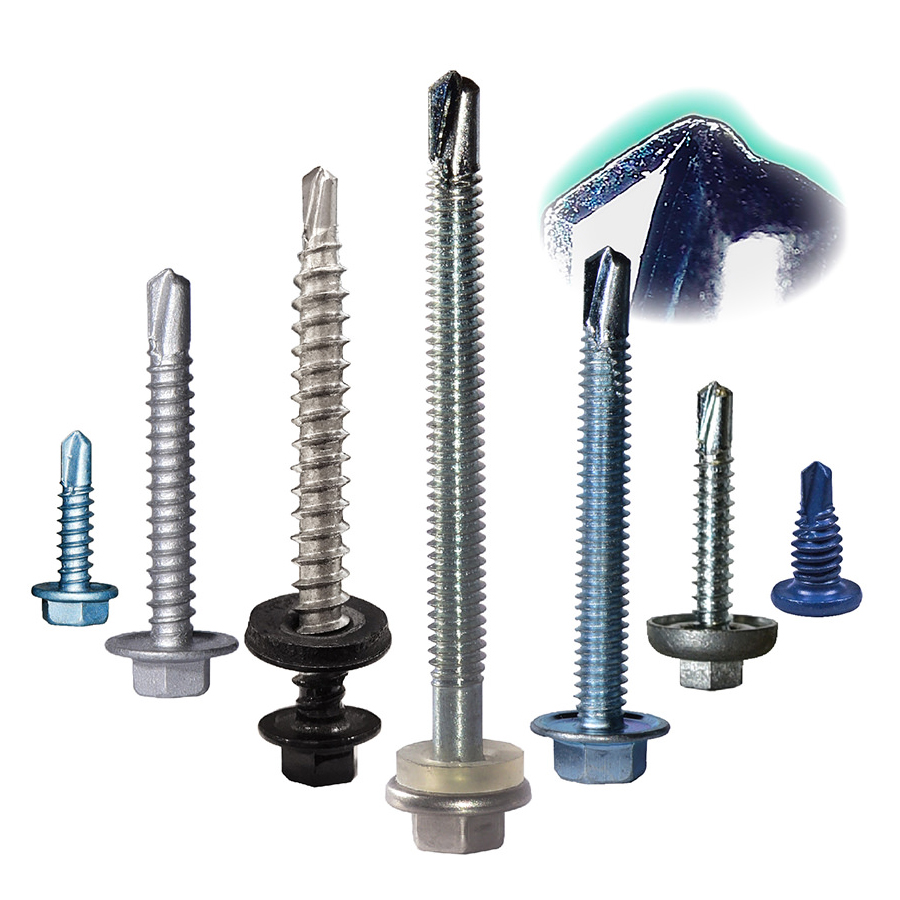

Easy to use
SEC's Nick Point self-drilling tip contains a small indent slightly on the side of the screw tip. It has been verified through many experiments and comparisons to have a consist shorter drilling time. Furthermore, our feedback from construction staffs indicating an effortless quick drilling speed.
Stable quality
Our self-drilling screws have a better penetration point that is slip resistant. Besides, a single SEC self-drilling screw can be redrilled 5 times without affecting performance.
Suitable coating
Depending on the environment at which your self-drilling screws are applied, we are able to coat these products according to C1-C4 specifications or according to your own customized specifications.own customized specifications.
Any customization
The SEC self-drilling screw can be matched with any EPDM size or steel bonded washer. We can also paint the screw head to the color of your roof or wall.Common Applications

Steel Truss
Metal siding

-
SELF DRILLING SCREWS
Resistance to water, the ability to sustain high temperatures, along with the capability to fix various panels, e.g, thin panels, steel frames, and fiber laminates are the most essential components to constructing roofs and walls. Consequently, advancement in manufacturing technology must exist to meet these criteria. With a professional team focusing on research and development, we have developed such self drilling screws to meet these standards.
Special Tip
The SEC self-drilling screw is equipped with a thread-to-tip design. This allows the screw to be easily penetrated into the iron plate and at the same time, reduce the chances of breaking the plate.
Nick Point
The SEC self-drilling screws uses a Nick Point Tip - a small indent slightly to the side of the screw tip, it is tested in our lab and by construction staffs to be consistent and very efficient at shortening the drilling time.
Asymmetric Thread
The special angle design, as well as the different pitches in the upper and lower sections can also be found in our self-drilling screws. This creates a pull-out resistance that allows the screw to firmly clinch the gaps between the plates.
Straight Knurl
The straight knurl can help expel the iron fillings and enlarge the hole without breaking it. Additionally, it can avoid stretching the rod diameter and reducing the risk of corrosion.Common Applications
Steel Truss
Metal siding
Highest corrosive
environment