Category
- ALL
- Screws
- Timer/ Deck screw
- Reduce Point Self-drilling Screws
- Hex Head Self-drilling Screws(Tek Screws)
- Countersunk/Flat/Pan head Self-drilling Screw
- Milling Point Self-drilling Screws
- Concrete Screws
- Zn-Al Capped Self-drilling Screws
- Stainless(ss 304) Capped Self-drilling Screws
- Wood/Chipboard Screw
- No5 Point Self-drilling Screws
- Type 17 Screws
- Head Painted Roofing Screws
- Drywall Screws
- Bolts and STUD
- Nuts
- Stamping
- CNC Turning

Reduce Milling Point Self-drilling Screw
- Milling point tip
- Roofing screws
- Steel truss
- Good performance for thick plate
-
Reduce Milling Point Self-Drilling Screws
Reduce Milling Point Self-Drilling Screws are designed for metal fastening applications where efficient drilling, reduced drilling resistance, and stable penetration are important.
The Reduce Milling Point combines a specialized milling-cut drilling tip with a reduced cutting profile to help control the drilling load during installation.
These screws are primarily used for metal-to-metal fastening, roofing, steel truss, and thick metal plate applications.
SANN MUO manufactures customized Reduce Milling Point Self-Drilling Screws in different sizes, materials, drilling point configurations, coatings, and washer combinations according to customer drawings and samples.
Reduce Milling Point Self-Drilling Screw Specifications
Specification Available Options Product Type Reduce Milling Point Self-Drilling Screw Screw Function Self-Drilling & Self-Tapping Point Type Reduce Milling Point Main Application Metal-to-Metal Fastening Other Applications Roofing, Steel Truss, Thick Metal Plate Material Carbon Steel 1022 / 1018 Gauge #12 – #14 Metric Diameter M5.5 – M6.3 Imperial Length 1/2" – 10" Metric Length 12 – 250 mm Drilling Point #3 / #5 Standards DIN / IFI / ISO / ASTM / ASME Customization Drawings and Samples Accepted What Is a Reduce Milling Point Self-Drilling Screw?
A Reduce Milling Point Self-Drilling Screw is a self-drilling and self-tapping screw featuring a specialized milling point with a reduced cutting profile.
The purpose of the design is to improve the interaction between the drilling point and the metal during installation.
Instead of simply focusing on maximum cutting capacity, the Reduce Milling Point is designed around a balance between:
Cutting Performance + Drilling Speed + Drilling Resistance + Installation Stability
This makes the product suitable for applications where drilling efficiency and controlled penetration are important.
What Is a Reduce Milling Point?
The Reduce Milling Point is a specialized variation of the Milling Point drilling technology.
A conventional self-drilling screw uses a formed drilling point.
A standard Milling Point uses a precision milling-cut process to create the drilling geometry.
A Reduce Milling Point further modifies the cutting profile to reduce the amount of material being removed during the initial drilling process.
The objective is to achieve an efficient drilling action while controlling drilling resistance.
Main Advantages of Reduce Milling Point Self-Drilling Screws
Reduced Drilling Resistance
One of the main reasons to select a Reduce Milling Point is to control the resistance generated during drilling.
A reduced cutting profile can help manage the interaction between the drilling tip and the metal material.
This can be particularly useful when installation equipment and operator efficiency are important considerations.
Efficient Metal Penetration
The milling-cut point is designed to provide an effective cutting action when penetrating metal.
This makes the screw suitable for:
- Steel-to-steel fastening
- Metal panels
- Roofing
- Steel truss
- Thick metal components
The actual penetration capability depends on the material thickness, screw diameter, drilling point, and installation conditions.
Shorter Drilling Time
SANN MUO's Milling Point technology is designed to provide better drilling speed and cutting ability than traditional self-drilling screws. The product family is also described as offering excellent consistency, less pressing force, and shorter drilling time.
For high-volume construction or roofing installation, reducing the time required for each fastening point can improve overall installation productivity.
Reduce Milling Point vs. Traditional Self-Drilling Screws
Feature Reduce Milling Point SDS Traditional SDS Point Design Reduce Milling Point Conventional Drilling Point Manufacturing Milling-Cut Point Formed Drilling Point Cutting Profile Reduced / Controlled Conventional Drilling Resistance Designed to reduce resistance Standard Drilling Speed Designed for improved speed Standard Cutting Ability Improved Standard Pressing Force Designed for lower pressing force Standard Metal-to-Metal Suitable Suitable Roofing Suitable Suitable Steel Truss Suitable Suitable Thick Plate Suitable Application dependent Main Advantage Controlled drilling + efficient penetration General-purpose drilling Reduce Milling Point vs. No.3 Milling Point
Feature Reduce Milling Point No.3 Milling Point Point Type Reduce Milling Point No.3 Milling Point Milling Technology Yes Yes Cutting Profile Reduced / Controlled Standard Milling Point Main Design Objective Reduce drilling resistance Drilling speed and cutting ability Drilling Speed High High Cutting Ability Controlled / Efficient High Pressing Force Designed to be lower Standard / Improved Metal-to-Metal Suitable Suitable Roofing Suitable Suitable Steel Truss Suitable Suitable Thick Plate Suitable Suitable Best Selection Reason When drilling resistance and installation load matter When drilling speed and cutting performance are the priority Which One Should You Choose?
Choose Reduce Milling Point Self-Drilling Screws when the installation process requires controlled drilling resistance and efficient penetration.
Choose No.3 Milling Point Self-Drilling Screws when the primary requirement is strong drilling and cutting performance for metal-to-metal applications.
Reduce Milling Point for Metal-to-Metal Fastening
The primary application of Reduce Milling Point Self-Drilling Screws is metal-to-metal fastening.
Typical applications include:
- Steel-to-steel fastening
- Metal panels
- Sheet metal assembly
- Steel truss
- Roofing systems
- Metal construction
- Thick metal components
The screw can drill and tap the mating metal components in a single installation process.
Reduce Milling Point Roofing Screws
Reduce Milling Point Self-Drilling Screws can be used as self-drilling metal roofing screws when the screw specification is matched to the roofing material and thickness.
Typical applications include:
- Metal roofing
- Corrugated metal sheets
- Roofing panels
- Steel framing
- Steel truss
- Metal-to-metal roofing connections
For roofing applications requiring sealing, the screw can be supplied with an appropriate:
EPDM Washer
or
EPDM Steel Bonded Washer
The washer configuration should be selected according to the roofing material and sealing requirements.
SANN MUO's product category specifically identifies Milling Point products as roofing screws and steel truss applications.
Reduce Milling Point for Steel Truss
Steel truss applications can involve multiple layers of metal or relatively thick steel components.
The Reduce Milling Point is designed to provide controlled cutting action during penetration.
This makes it suitable for applications where the installer needs a combination of:
Fast Drilling + Controlled Resistance + Stable Penetration
Typical applications include:
- Steel truss
- Metal framing
- Structural metal components
- Steel panels
- Roofing structures
Reduce Milling Point for Thick Metal Plate
The Reduce Milling Point product is also positioned for applications requiring good performance in thicker plate.
However, the correct screw should always be selected according to:
- Metal thickness
- Metal hardness
- Number of layers
- Screw diameter
- Drilling point
- Installation tool
- Required drilling time
For particularly demanding thick-plate applications, SANN MUO also offers No.5 Milling Point Self-Drilling Screws, which are specifically positioned for penetration through thick plate up to 12 mm.
Reduce Milling Point vs. No.5 Milling Point
Feature Reduce Milling Point No.5 Milling Point Main Design Reduced Milling Point No.5 Milling Point Main Focus Reduced drilling resistance Thick plate penetration Drilling Speed Fast Fast Pressing Force Designed for lower force Less pressing force Thick Plate Suitable Primary strength Maximum Thickness Application dependent Up to 12 mm according to product positioning Roofing Suitable Suitable Steel Truss Suitable Suitable Best For Controlled drilling load Maximum penetration requirement Selection Guide
Need lower drilling resistance?→ Reduce Milling Point
Need to penetrate very thick steel plate?→ No.5 Milling Point
Milling Point Technology
SANN MUO's Milling Point Self-Drilling Screw technology uses a different milling-cut process to manufacture the drilling point.
According to SANN MUO's product information and research, Milling Point screws demonstrate:
- Better drilling speed
- Better cutting ability
- Improved pull-out force
- Excellent consistency
- Less pressing force
- Shorter drilling time
The Reduce Milling Point builds on this concept by using a reduced drilling profile intended to control drilling resistance during installation.
Material and Size Options
The current product page lists:
Material
- Carbon Steel 1022
- Carbon Steel 1018
Diameter
- #12
- #13
- #14
- M5.5
- M6.3
Length
- 1/2" – 10"
- 12 – 250 mm
Drilling Point
- #3
- #5
SANN MUO can manufacture according to DIN, IFI, ISO, ASTM, ASME, customer drawings, or samples.
Coating and Surface Treatment
For roofing and outdoor metal applications, corrosion resistance should be considered together with the screw material and application environment.
Available coating requirements can be customized according to the customer's specifications.
For exterior applications, buyers should provide information regarding:
- Outdoor exposure
- Humidity
- Salt exposure
- Required service life
- Roofing material
- Environmental conditions
This allows the appropriate material and coating system to be evaluated.
Washer Options
Reduce Milling Point Self-Drilling Screws can be configured with suitable washers when the application requires sealing.
Common options include:
- EPDM Washer
- EPDM Steel Bonded Washer
- Customized Washer
For roofing applications, the washer should be selected according to:
Roofing Sheet + Screw Head + Sealing Requirement + Environmental Exposure
Custom Reduce Milling Point Self-Drilling Screws
SANN MUO can customize Reduce Milling Point Self-Drilling Screws according to customer requirements.
Customization can include:
- Screw diameter
- Screw length
- Head design
- Thread configuration
- Milling point geometry
- Reduced point geometry
- Material
- Coating
- Washer
- Surface finish
- Special drilling requirements
Customers can provide an existing screw sample, drawing, or application information for evaluation.
Reduce Milling Point Self-Drilling Screws for B2B Buyers
Reduce Milling Point Self-Drilling Screws are suitable for B2B buyers looking to improve drilling efficiency while controlling installation resistance.
Typical customers include:
- Roofing screw distributors
- Fastener wholesalers
- Building material suppliers
- Roofing manufacturers
- Steel construction suppliers
- Metal component manufacturers
- Construction material distributors
- Overseas importers
For buyers currently sourcing conventional self-drilling screws, the Reduce Milling Point can also be evaluated as an alternative or second-source product.
Second Source for Reduce Milling Point Self-Drilling Screws
For procurement teams, screw selection should not be based only on unit price.
Important purchasing factors can include:
- Drilling time
- Pressing force
- Drilling consistency
- Cutting performance
- Screw life
- Pull-out performance
- Material
- Coating
- Washer configuration
- Production consistency
SANN MUO can evaluate an existing product and develop a corresponding Reduce Milling Point Self-Drilling Screw based on the customer's application.
This provides buyers with an opportunity to qualify SANN MUO as a second source before changing their existing supplier.
FAQ About Reduce Milling Point Self-Drilling Screws
Q. What is a Reduce Milling Point Self-Drilling Screw?
It is a self-drilling and self-tapping screw featuring a reduced milling-cut drilling point designed to provide efficient penetration while controlling drilling resistance.
Q. What is the main advantage of a Reduce Milling Point?
The main advantage is the combination of efficient drilling performance and controlled drilling resistance.
It is particularly useful when installation load and drilling efficiency are important.
Q. What is the difference between Reduce Milling Point and traditional SDS?
Traditional SDS uses a conventional formed drilling point.
Reduce Milling Point uses a specialized milling-cut point with a reduced cutting profile designed to improve drilling efficiency and control drilling resistance.
Q. Is Reduce Milling Point suitable for roofing?
Yes.
The product is positioned for roofing applications, and an appropriate EPDM or steel bonded washer can be specified when sealing is required.
Q. Is Reduce Milling Point suitable for steel truss?
Yes.
Steel truss is one of the applications identified for this Milling Point product family.
Q. Can Reduce Milling Point drill thick metal plate?
Yes, the product is positioned for good performance in thick plate applications. However, the actual drilling capability depends on the plate material, thickness, screw size, point specification, and installation conditions.
For very thick plate applications, the No.5 Milling Point may be a better choice because that product is specifically positioned for penetration through 12 mm thick plate.
Q. What is the difference between Reduce Milling Point and No.3 Milling Point?
Both use Milling Point technology.
Reduce Milling Point focuses more on controlling drilling resistance and installation load.
No.3 Milling Point focuses on drilling speed, cutting ability, and metal-to-metal penetration.
Q. What is the difference between Reduce Milling Point and No.5 Milling Point?
Reduce Milling Point is designed around controlled drilling resistance.
No.5 Milling Point is designed for more demanding thick-plate penetration and is specifically positioned for plates up to 12 mm.
Q. What materials are available?
The current product page lists:
- Carbon Steel 1022
- Carbon Steel 1018
Other material requirements can be evaluated according to customer specifications.
Q. What sizes are available?
The current listed range is:
#12 – #14
M5.5 – M6.3
with lengths from:
1/2" – 10"
or:
12 – 250 mm.
Q. Can the Reduce Milling Point be customized?
Yes.
SANN MUO accepts customer drawings and samples and can manufacture according to DIN, IFI, ISO, ASTM, ASME, or customer-specific requirements.
Request a Quote for Reduce Milling Point Self-Drilling Screws
Looking for a Reduce Milling Point Self-Drilling Screw Manufacturer or Supplier for metal-to-metal fastening, roofing, steel truss, or thick plate applications?
SANN MUO manufactures customized Reduce Milling Point Self-Drilling Screws for international B2B customers.
Send us your:
- Existing screw sample
- Technical drawing
- Metal thickness
- Screw dimensions
- Material requirement
- Coating requirement
- Washer requirement
- Installation application
- Estimated purchasing quantity
SANN MUO can evaluate the application and recommend the appropriate Milling Point configuration.
-


Milling Point Screw
(Replace "Structural Wood Screws")
The Milling Point Screw, or "MPS", is a 6.4mm diameter wood screw. With its high strength, the MPS is specifically designed to fasten 2-ply wooden pieces together such as plated trusses and solid wood engineered timber products.
Milling Point
The tail of the MPS is designed in such a way that when drilling into the edge of the wood, the torque can be reduced meaning that the wood will not be cracked.
Asymmetric Thread
The special angle design can increase tensile strength and enhance pull-out resistance in a variety of applications. The MPS does this through firmly clinching the plates together to
Corrosion Resistant
C3,C4 Ruspert Coating Salt Spray Test 1000, 2000 hrs Kesternich Test 15, 20 cycles
Ribs
The ribs of the MPS allow for the screw to sink cleanly into a firmly fixed position therefore, increasing its security onto wood.Common Applications

Truss
Solid wood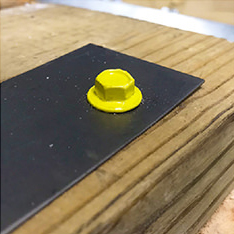
Steel+timber
